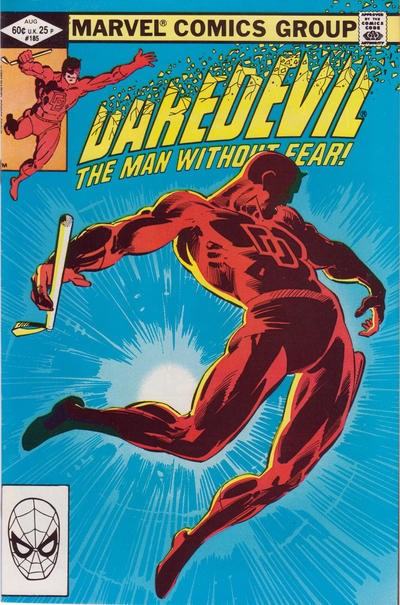
Guts The story features Foggy Nelson, Daredevil's long-time friend and law partner, as a central character. In this issue, Foggy plays detective and decides to take on a dangerous investigation. He's inspired to prove that he can contribute to the fight against crime, even though he's not a superhero like Matt Murdock (Daredevil).
Foggy's target is a crime ring operating in Hell's Kitchen. He attempts to gather evidence on his own, putting himself in harm's way. His bravery and loyalty to justice are evident throughout the story.
Meanwhile, Daredevil (Matt Murdock) works to protect Foggy from the shadows. While Foggy believes he is operating independently, Daredevil watches over him, ensuring he doesn’t fall into serious danger. This dynamic showcases their friendship and Matt’s quiet, protective nature.
The issue is filled with intense action sequences and character moments, especially as Foggy faces down criminals and proves his mettle in a non-physical, legal sense.
Themes:
Courage vs. Vulnerability: Foggy's determination to contribute to the fight against crime highlights the bravery of ordinary individuals in extraordinary situations.
Friendship and Loyalty: Daredevil’s covert protection of Foggy emphasizes their bond and underscores Matt’s moral responsibility to protect his friend.
Justice: The story raises questions about different methods of pursuing justice—through law versus physical confrontation.
Art and Style:
Frank Miller's storytelling is complemented by Klaus Janson's atmospheric artwork, which emphasizes shadowy environments and noir aesthetics. The gritty tone and realism of the characters and settings are hallmarks of this run.
Significance:
While Daredevil #185 might not be the most famous issue in Miller’s tenure, it provides valuable insight into Foggy's character and the non-superpowered struggle against crime. It also serves as a counterbalance to the superhero aspect of Daredevil, reminding readers of the importance of legal and moral avenues in the pursuit of justice.
If you'd like more details or analysis about this issue or its place in Daredevil's broader narrative, let me know!